
Table of Contents
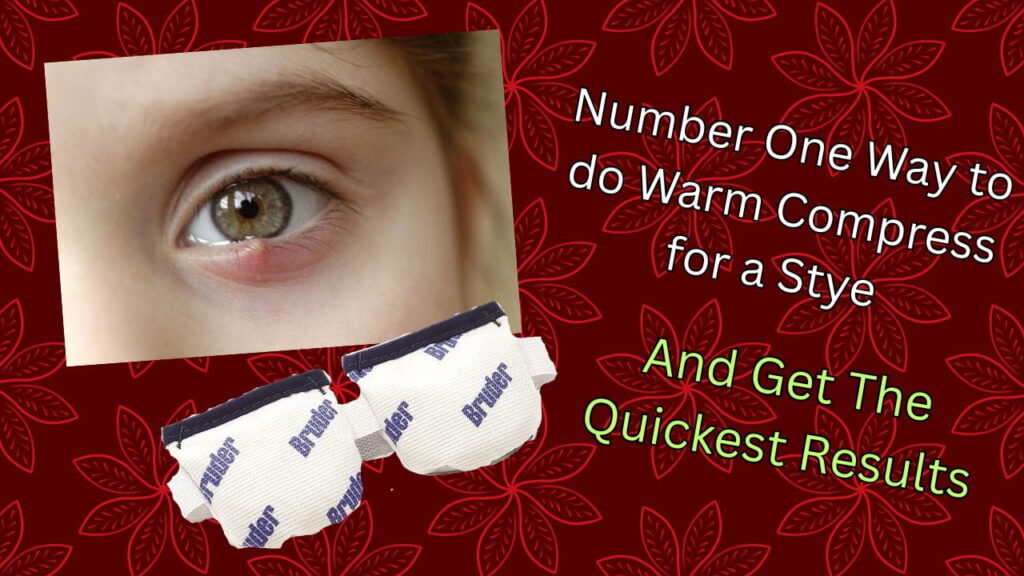
Number One Way to do warm compress for a stye
The step by step method is as follows:
- Use a warm compress (microwaveable / electronic / face towel)
- Apply onto affected lid for 10 minutes a time
- Gently massage the area with your finger after removing the warm compress
- Repeat three to four times a day or more as needed
Your eye care provider might also prescribe an antibiotic ointment as well to prevent any infections.
The best way to warm compress to get rid of styes is with a microwaveable mask or electronically heated.
Some alternatives are a clean face cloth that has been heated up with warm water. However, a big problem with this is that the warm compress does not stay hot enough for long enough.
What is a stye and why does it form?
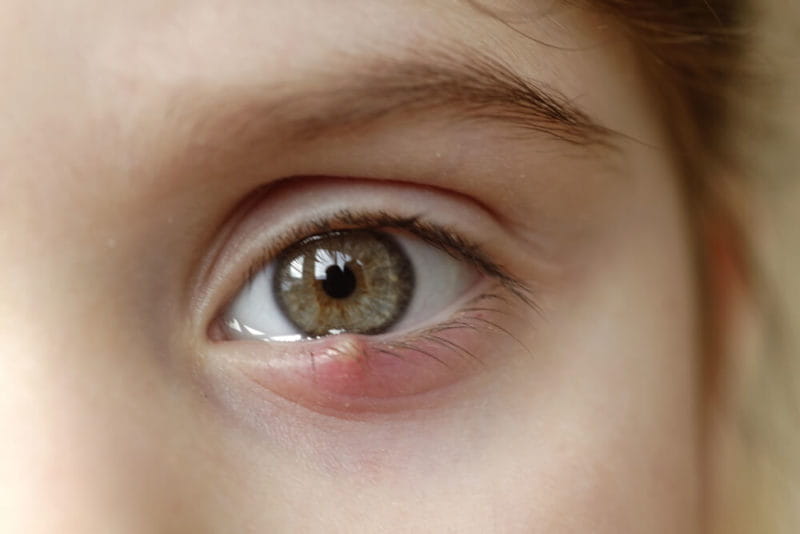
A stye is a painful blockage in the sebaceous glands of the eye (R) from a bacterium Staphylococcus aureus aureus. This can occur in either the upper or lower lid, and sometimes in both eyes at once.
The typical appearance is an inflamed bump or lump in the eyelid that sometimes has the appearance of a small white pustule that sits on the eyelid margin.
What happens if we do not warm compress for a stye?
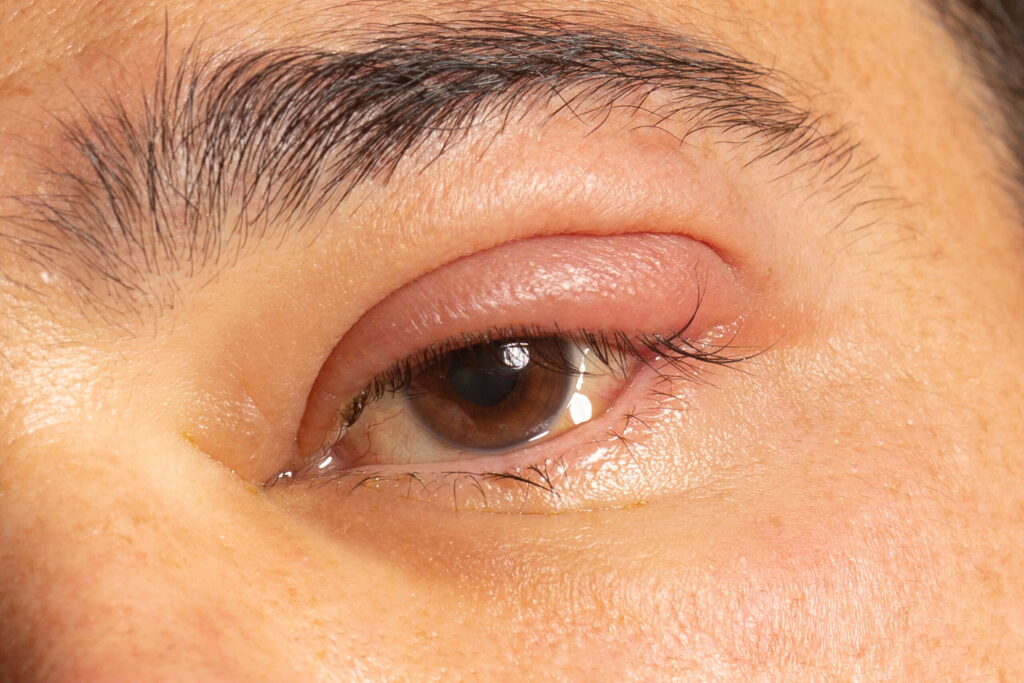
Treating a stye as early as we can is very important. This is because the stye can cause a deeper infection called a preseptal cellulitis or worse, orbital cellulitis.
A preseptal, and orbital cellulitis are very dangerous infections that need oral (or possible IV antibiotics) to be cleared up.
If the stye becomes large enough it can begin to rub onto the cornea and also possibly cause corneal scarring or abrasions.
As well, if the stye does not completely resolve we can develop something called a chalazion (a small hardened mass of sebaceous tissue) that becomes much harder to treat. Think of this like a small pebble that has formed within the eyelid.
Why is a warm compress the best treatment for a stye?
A warm compress is the best form of treatment for an initial stye because the glands respond well to heat (R)
What is the treatment for when the warm compress does not clear up the stye?
In the event the stye has not resolved with just warm compresses, it is very important you go to your local eye care provider.
They may prescribe an oral or topical antibiotic to properly treat the condition. Alternatively, surgical removal might be needed.
What are the biggest mistakes that slow down healing?
One of the most frequent issues I have when patients come back with persistent styes is not following the warm compress regime.
It is very important to ensure the area gets an adequate amount of heat to break up the blocked gland. Not performing the warm compress with a lid massage can delay the healing time.
How to prevent future styes?
The most common complication after healing a stye is the possibility of it coming back. Typically when a stye returns, there is an underlying reason for this issue.
Some of these reasons might potentially be:
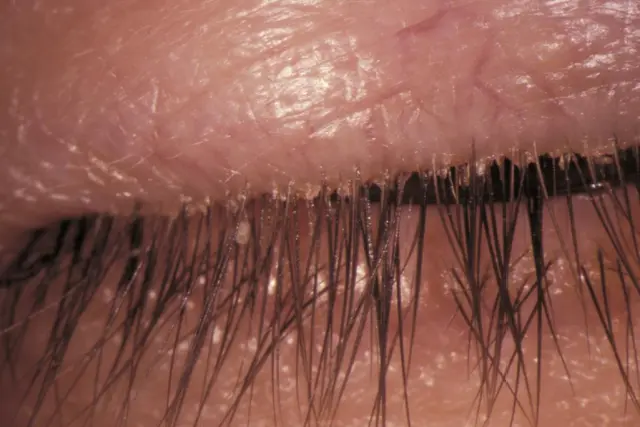
Underlying blepharitis (bacteria build up on eyelids). Treated with lid hygeine
Rosacea (condition that causes low grade inflammation). Best case is to meet with health care providers to determine how to reduce inflammation. For example: increasing omega-3 intake.
Diabetes (condition in which the blood sugars are too high). Treated by controlling blood sugars.
Meibomian gland dysfunction (condition in which the meibomian glands are constantly blocked). Continuing to warm compress at least once a day after the initial stye has resolved.
Frequently asked questions:
Can I use a warm tea bag to treat a stye?
Technically you can! However, when you have to re-apply the heat multiple times a day it can become quite irritating to heat up a tea bag each time.
As well, there is the possible risk of infection while using this method (R)
Should I pop a stye after using heat?
Absolutely not. The stye is an active bacterial infection and trying to pop or squeeze it out runs the risk of potentially causing further infection or not allowing the stye to heal.
Performing warm compresses with gentle massages should be enough to cause the gland to break up and re-absorb into the eyelid tissue.