
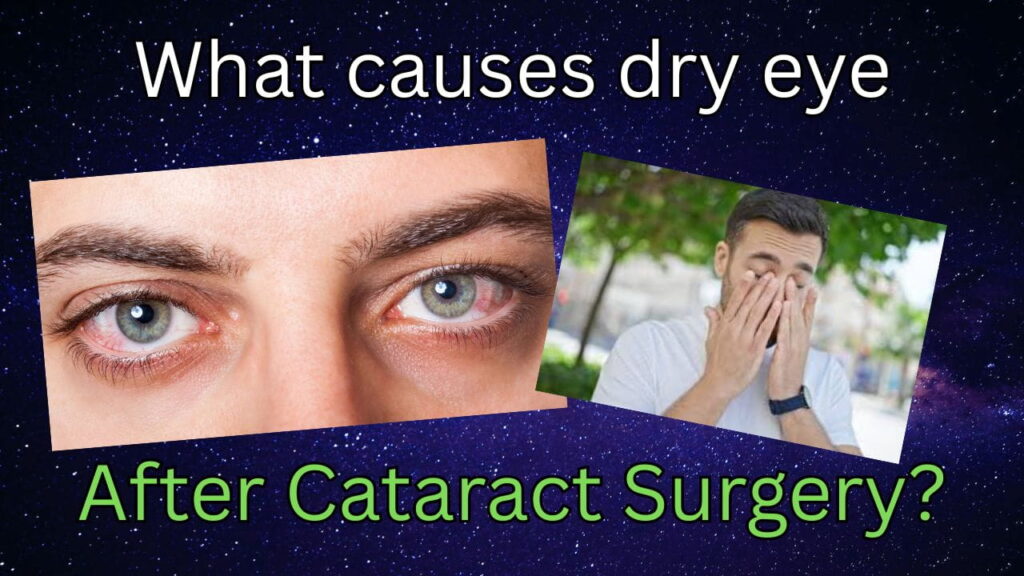
One of the most common issues after cataract surgery is dryness. But what causes dry eye after cataract surgery?
Table of Contents
What causes dry eye after cataract surgery?
One of the most common post-operative symptoms after cataract surgery is dryness. There can absolutely be some variation as well regarding how severe these symptoms can be.
One of the main reasons we can get dry eyes after cataract surgery is because the surgery can damage the corneal surface / nerves / tear film / meibomian glands (R).
Another reason we can get dry eyes after cataract surgery is because the eyes were dry before and the surgery might have caused some additional inflammation on the surface (R)
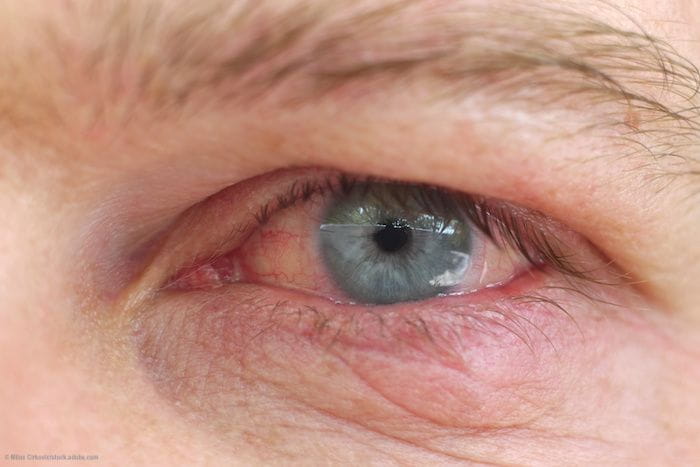
Will my dry eye after cataract surgery get better?
Most likely yes. There have been some studies that show dry eye after cataract surgery is the worst for the first three months (R).
Interestingly enough, there have been studies that have shown that up to 50% of patients can experience some form of dryness after shortly cataract surgery (R).
I have found most of my patients have some significant dryness, or complaints regarding dryness within the first week of their cataract surgery and steadily improve as we move farther out of the surgery date.
What causes dry eye months after my cataract surgery?
It is a little uncommon for significant dryness to persist several months after the surgery. This might indicate that you have chronic dry eyes (it might have likely been there before the surgery and only gotten a little more intense afterwards).
The best thing to do in this situation is go to your local eye care provider so they can accurately diagnose what type of dry eye you have and treat it accordingly.
How can we improve dry eye after cataract surgery?
After visiting with your local eye care provider, they would have likely started you on some type of treatment plan for your dry eye.
Some of the most introductory treatments for your dryness can include:
Warm compresses once a day for 10 minutes to for meibomian gland dysfunction
Preservative free artificial tears four times a day to reduce inflammation and provide lubrication to the corneal surface
Possible lid hygiene (scrubs or sprays) to clear up any blepharitis or debris
Omega 3 supplementation to help reduce inflammation
An in-office treatment such as intensive pulse light therapy (IPL), or radiofrequency (RF) to specifically target the meibomian glands to provide more lubrication.
FAQ
Can dry eye after cataract surgery get worse?
It’s possible! As noted in this study, dryness levels should return to normal 3 months after performing surgery (R).
But, if you’ve noticed that your dryness has persisted for longer, then it’s likely chronic dry eye and you’ll need to perform adequate treatment for it.
Will I be using lubricating eye-drops for the rest of my life?
In an ideal world no. Preservative free artificial tears are very important after cataract surgery to ensure the corneal surface will heal correctly. Using them within the first month after cataract surgery is strongly recommended.
Use of drops after that will vary depending on the patient. If you’re still suffering from some dryness after the 3-month mark, usually using drops will help but there are other holistic options as well.
Can dry eye after cataract surgery impact my vision?
Yes absolutely. This study reports that 15% of patients with dryness after cataract surgery can struggle with decrease visual acuity due to dryness (R).

Conclusion
Dry eye after cataract surgery is very common. Typically, it’s worse within the first month after surgery, but if it persists after 3 months you likely have chronic dry eye and need to be seen by an eye care provider.